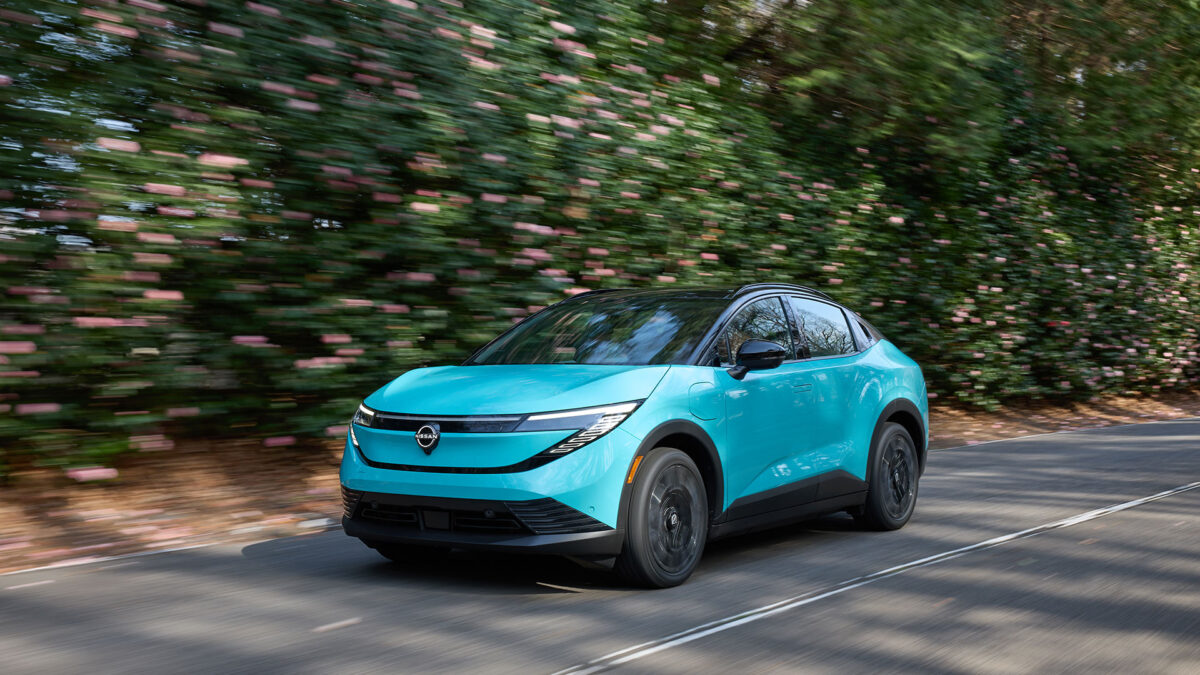
Nissan has unveiled the third-generation 2026 Leaf, a fully redesigned model that aims to simplify electric-vehicle ownership while boosting driving range, charging speed, and everyday practicality. The compact crossover, which reaches U.S. dealerships this fall, introduces a 75-kWh liquid-cooled battery paired with a 214-horsepower motor. Nissan estimates up to 303 miles of range and says the battery can recharge from 10 to 80 percent in about 35 minutes at a compatible 150-kW DC fast charger. A secondary 52-kWh pack with a 174-horsepower motor will follow, giving buyers a lower-cost option.
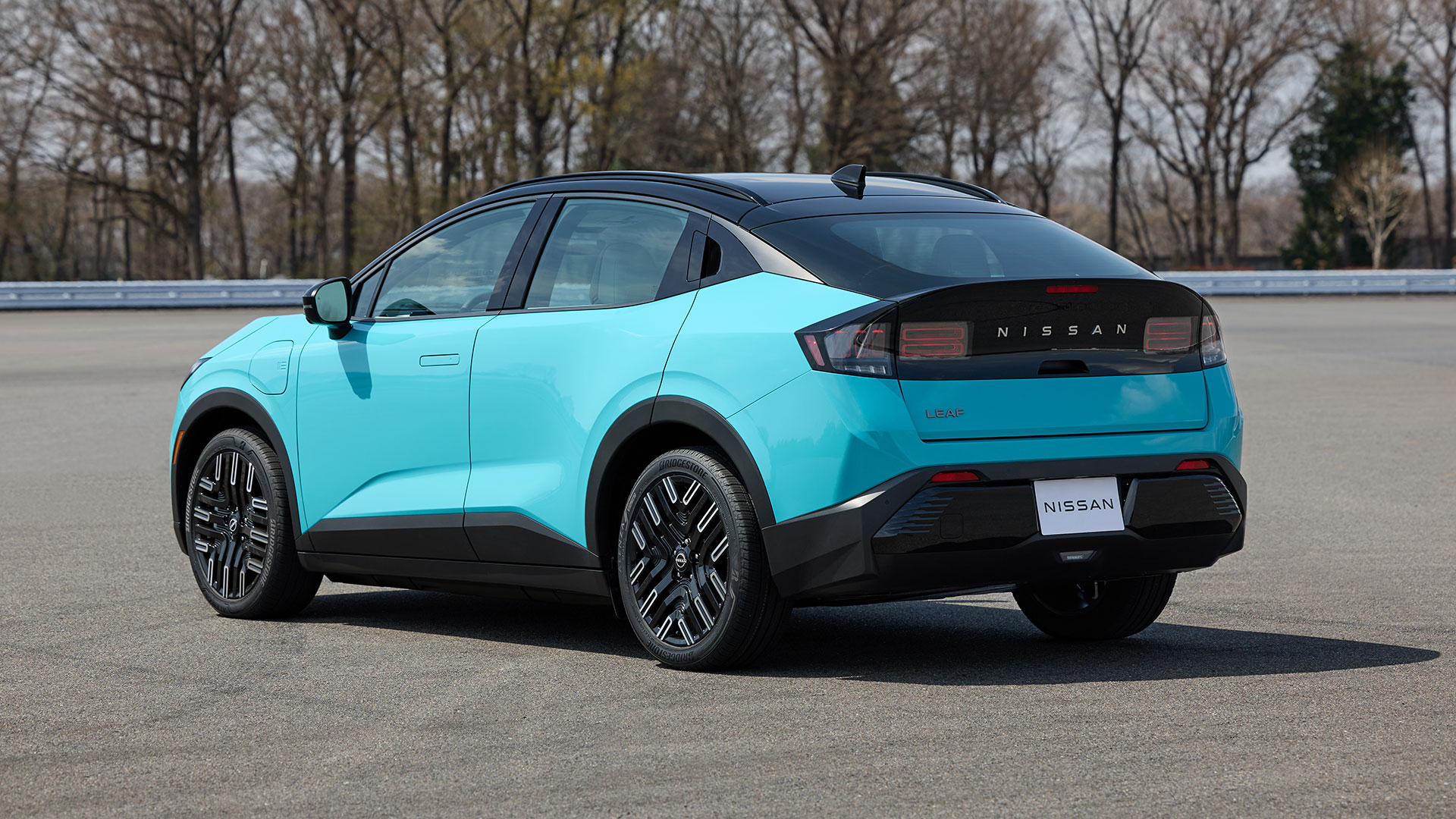
For the first time, the Leaf adopts the North American Charging Standard, adding a Tesla-style port on the passenger-side fender while retaining the familiar J1772 plug on the driver’s side for Level 2 charging. The car also debuts Plug & Charge capability, allowing automatic authentication and billing on enabled public chargers. Owners can locate and pay for sessions through the MyNissan app, which ties into a network of more than 100,000 charge points.
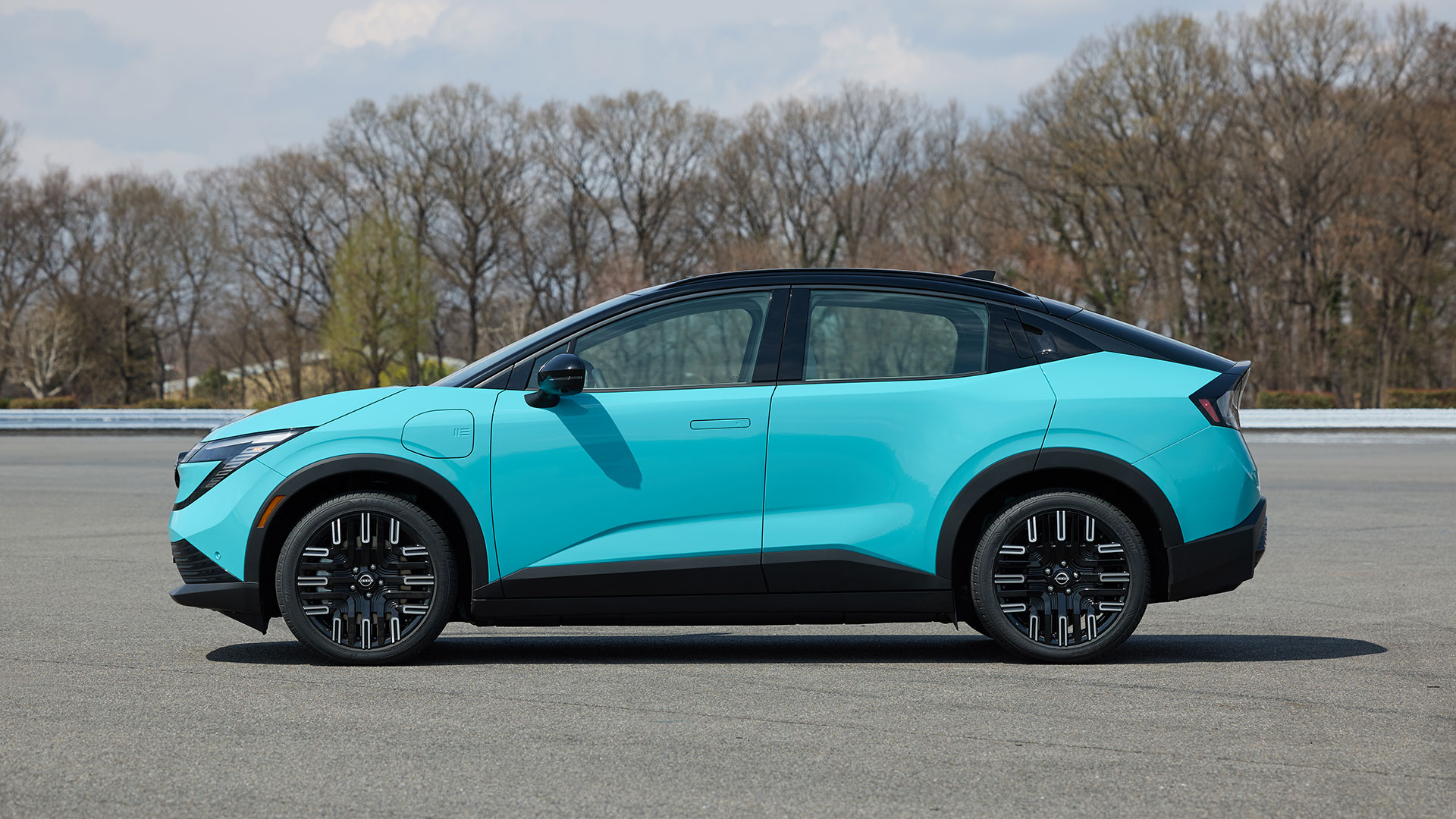
Aerodynamics guided the exterior redesign. The sloping roofline, seamlessly integrated glass, and motorized flush door handles help cut the drag coefficient to 0.26 from the outgoing model’s 0.29. Design cues include an illuminated Nissan emblem on a black grille, stacked rectangular light signatures, and a katana-inspired chrome accent that traces the roofline. Wheels measure 18 inches on the Leaf SV+ and 19 inches on the Platinum+ grade; eight two-tone and solid paint schemes are available.
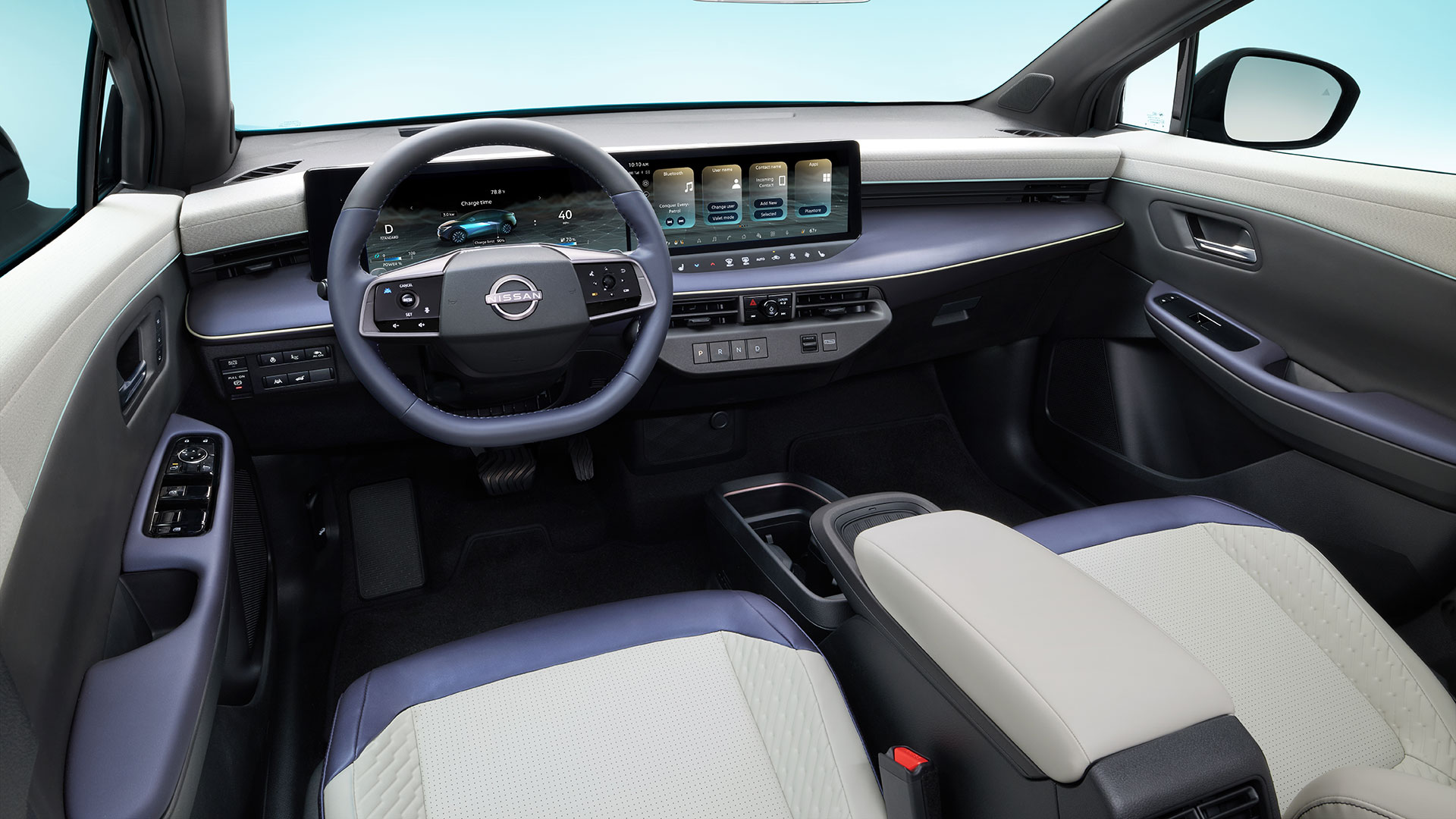
Inside, the cabin trades buttons for a minimalist layout anchored by dual display screens: base S and S+ trims use two 12.3-inch panels with wireless Apple CarPlay and Android Auto, while SV+ and Platinum+ upgrade to twin 14.3-inch screens with Google built in. The larger grades also add a 64-color ambient-lighting system, a Bose 10-speaker Personal Plus stereo, and a segment-first dimming panoramic roof that switches from clear to opaque at the press of a button. Relocating the shift selector to the dashboard frees space in a slimmer center console, and redesigned seats increase rear-knee clearance. Cargo capacity tops out at 55.5 cubic feet with the second row folded, aided by an optional Divide-N-Hide under-floor organizer.
Cold-weather performance improves through a new thermal-management system that repurposes waste heat from the motor and onboard charger to keep the battery within its optimal temperature band. Higher trims add a heat pump and an available battery heater. An energy-efficient cabin heater helps preserve range in winter.
Standard driver-assistance technology includes the Nissan Safety Shield 360 suite with automatic emergency braking, blind-spot intervention, and rear cross-traffic alert. All trims feature ProPilot Assist, combining adaptive cruise control with lane-centering. New camera functions such as Front Wide View and Invisible Hood View supplement the 3D Around View Monitor for tight parking or car-wash navigation. Nissan’s first Secondary Collision Mitigation Braking system automatically applies the brakes after an initial impact to reduce the risk of a secondary collision.
Nissan tested the new Leaf in climates ranging from Alaska to the American Southwest and vetted charging performance on a wide array of home and public equipment. Prices and EPA range ratings will be announced closer to launch, but the automaker positions the model as its most intuitive and accessible EV to date.