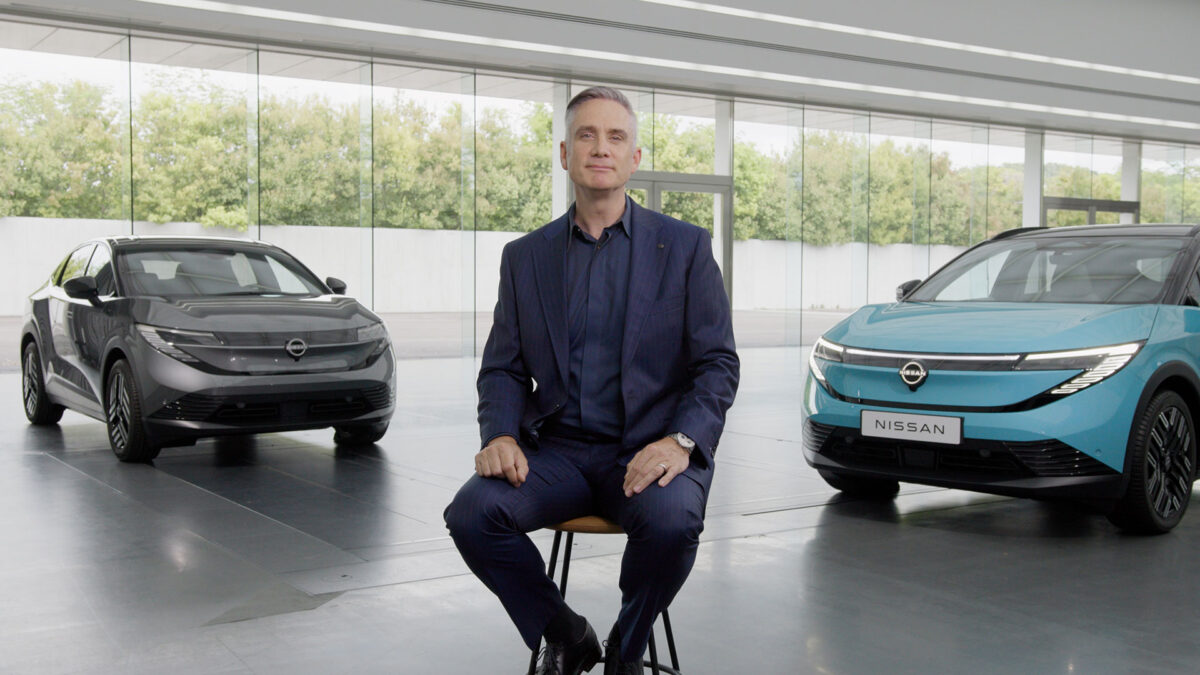
Nissan Motor Co., Ltd. has released a three-part video series spotlighting the planning, design and engineering teams behind the all-new Nissan Leaf. As a true third-generation electric vehicle, this model builds on lessons learned since the original Leaf debuted in 2010. Over 15 years, Nissan has sold nearly 700,000 Leafs worldwide, with owners logging approximately 28 billion kilometers.
According to Richard Candler, vice president of global product strategy, the goal was to deliver a credible electric alternative that balances emotional appeal with practical family needs. “We wanted the all-new Nissan Leaf to look sleek and bold while meeting the real-world needs of families with thoughtful design,” he said.
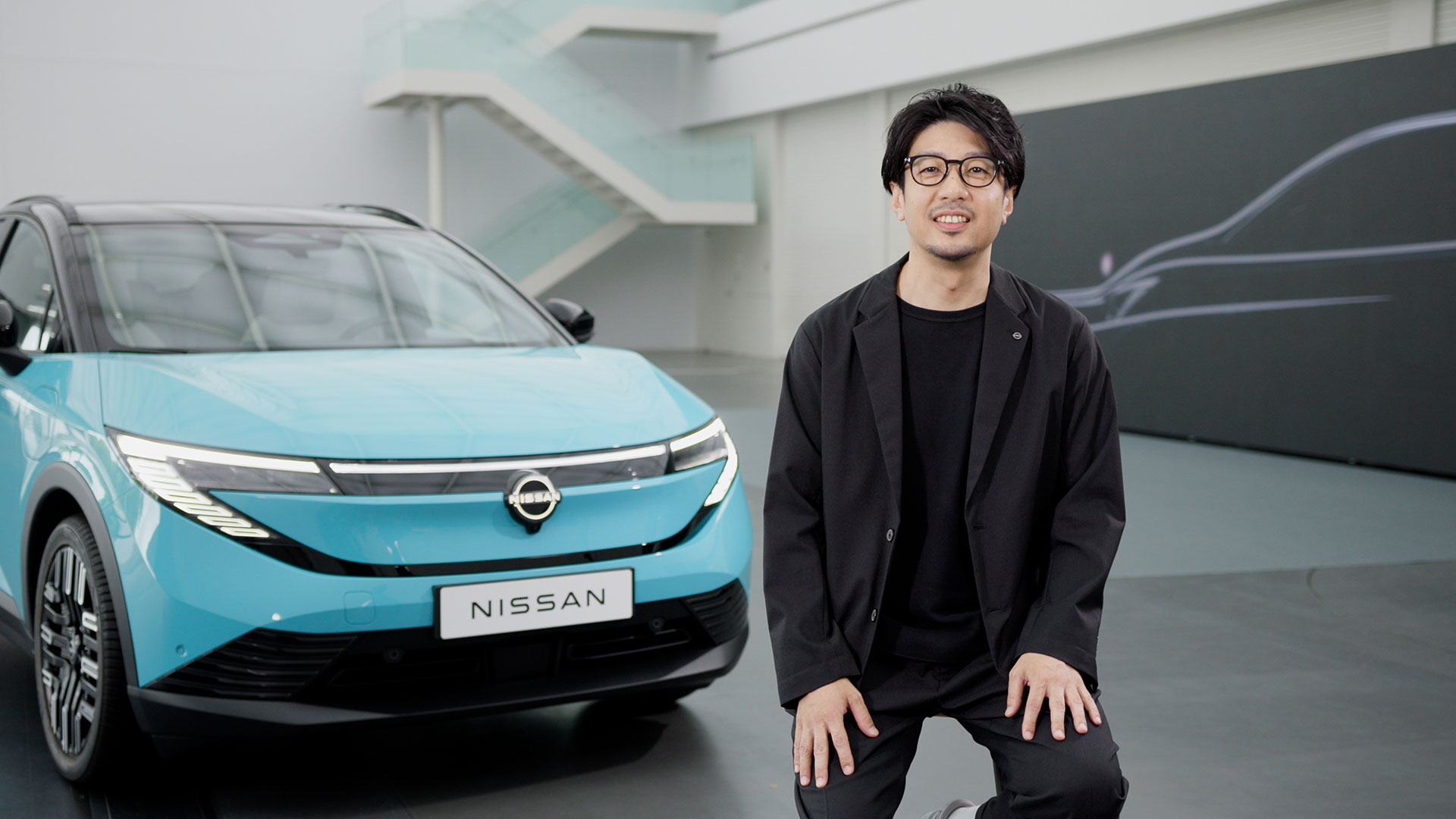
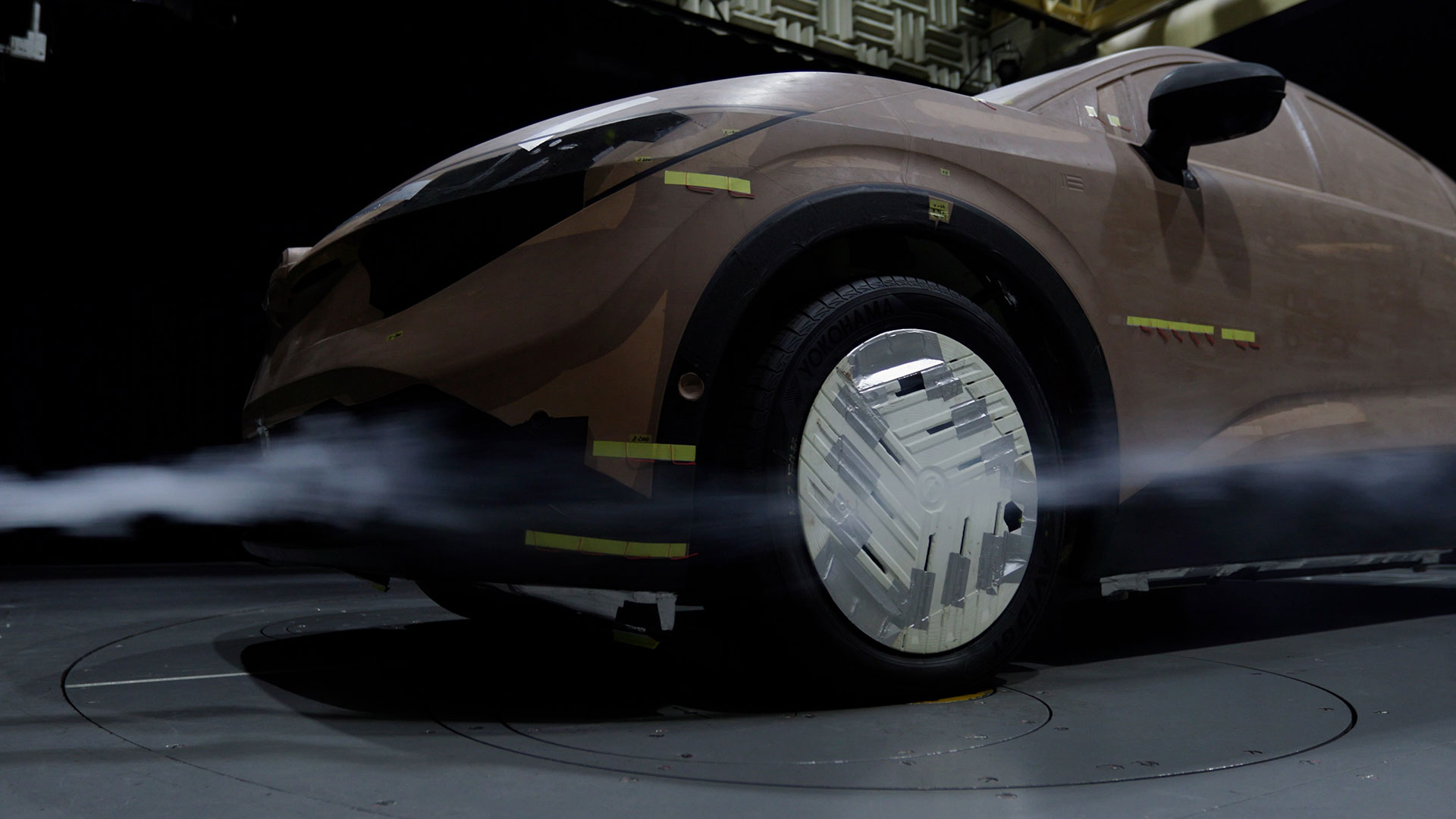
The exterior design prioritizes aerodynamics while maintaining a strong presence. For North America and Japan, the coefficient of drag measures 0.26. European variants achieve 0.25 by using a unique wheel and mirror design. Engineers and designers collaborated on features such as flush door handles, an active grille shutter, optimized wheel shapes, a flat underfloor and a fastback silhouette with a rear liftback that creates an airfoil effect.
Program design director Nobutaka Tase explained that every design choice was optimized for airflow, including a panoramic glass roof that improves aerodynamics and reduces vehicle height by 12 mm at critical detachment points, yet retains headroom inside thanks to electrochromic dimming. This technology adjusts glass transparency at the touch of a button and features an infrared-reflective coating to reduce solar heat load, eliminating the need for physical blinds.
Inside, the Leaf’s cabin benefits from Nissan’s CMF-EV platform, which provides a flat floor and creates a spacious, open feel. The combination of bold styling and practical space demonstrates Nissan’s commitment to innovation without sacrificing everyday usability.
Nissan will publish the full video series ahead of the new Leaf’s global launch later this month. Enthusiasts can look forward to deeper insights into the technology and design philosophy that shaped this next-generation electric vehicle.