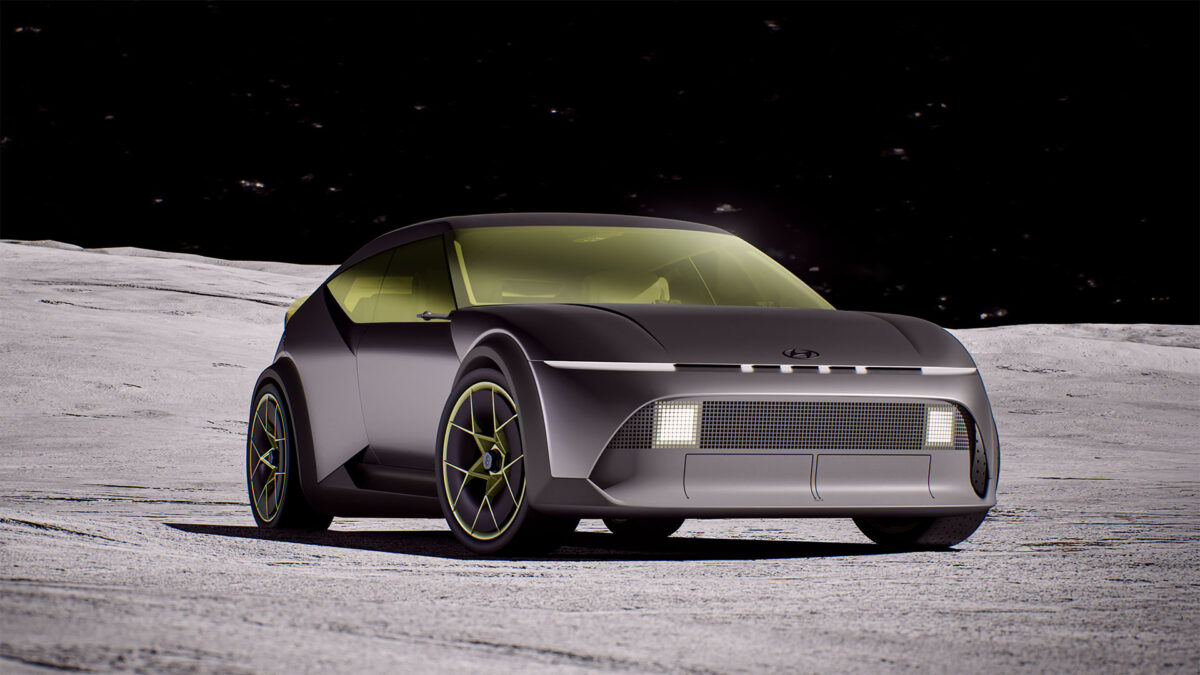
Hyundai Motor has unveiled Concept THREE, its first compact EV concept under the IONIQ sub-brand, at IAA Mobility 2025 in Munich, positioning it as the next step in the company’s electrification journey and a direct response to Europe’s surging demand for space-efficient electric cars. The reveal underscores a brand shift from pure technology milestones toward experiences of emotional fulfillment, with Concept THREE expanding Hyundai’s EV footprint beyond its existing midsize and large models. “Returning to IAA Mobility after four years away is a true milestone, and such as occasion deserves a milestone car. Concept THREE represents the next step in Hyundai Motor’s electrification journey. With its compact dimensions and Art of Steel design language, it embodies our vision of delivering mobility that is practical, accessible and emotionally resonant,” said Xavier Martinet, President and CEO of Hyundai Motor Europe. Hyundai will also showcase its full EV lineup and outline its European electrification strategy at the show.
Design centers on “Art of Steel,” which turns the strength and flexibility of steel into sculptural surfacing with flowing volumes and precise lines. The Aero Hatch profile adds aerodynamic efficiency and an urban-friendly vertical tailgate, while signature Parametric Pixel lighting appears front and rear in a gradient that adds visual rhythm. Concept THREE measures 168.8 in long, 76.4 in wide and 56.2 in high, with a 107.2-in wheelbase (4,287 mm, 1,940 mm, 1,428 mm, and 2,722 mm). A virtual rear window and digital rearview mirror help maintain sleek proportions without sacrificing rear seat space. The panoramic glass roof is about 78.7 in by 49.2 in (just over 2 metres by 1.25 metres), the largest yet on a Polestar so far is not applicable here; for Concept THREE Hyundai notes a cabin palette that links lemon-tinted glass and matching wheels to an anodized-effect exterior finish, forging bright connections between the calm soft-yellow and grey interior and its material-driven exterior theme. The body is finished in Tungsten Gray outside with a Moonbeam Yellow interior. Parametric Pixel details, flush glazing and a distinctive roofline emphasize an accessible, practical package.
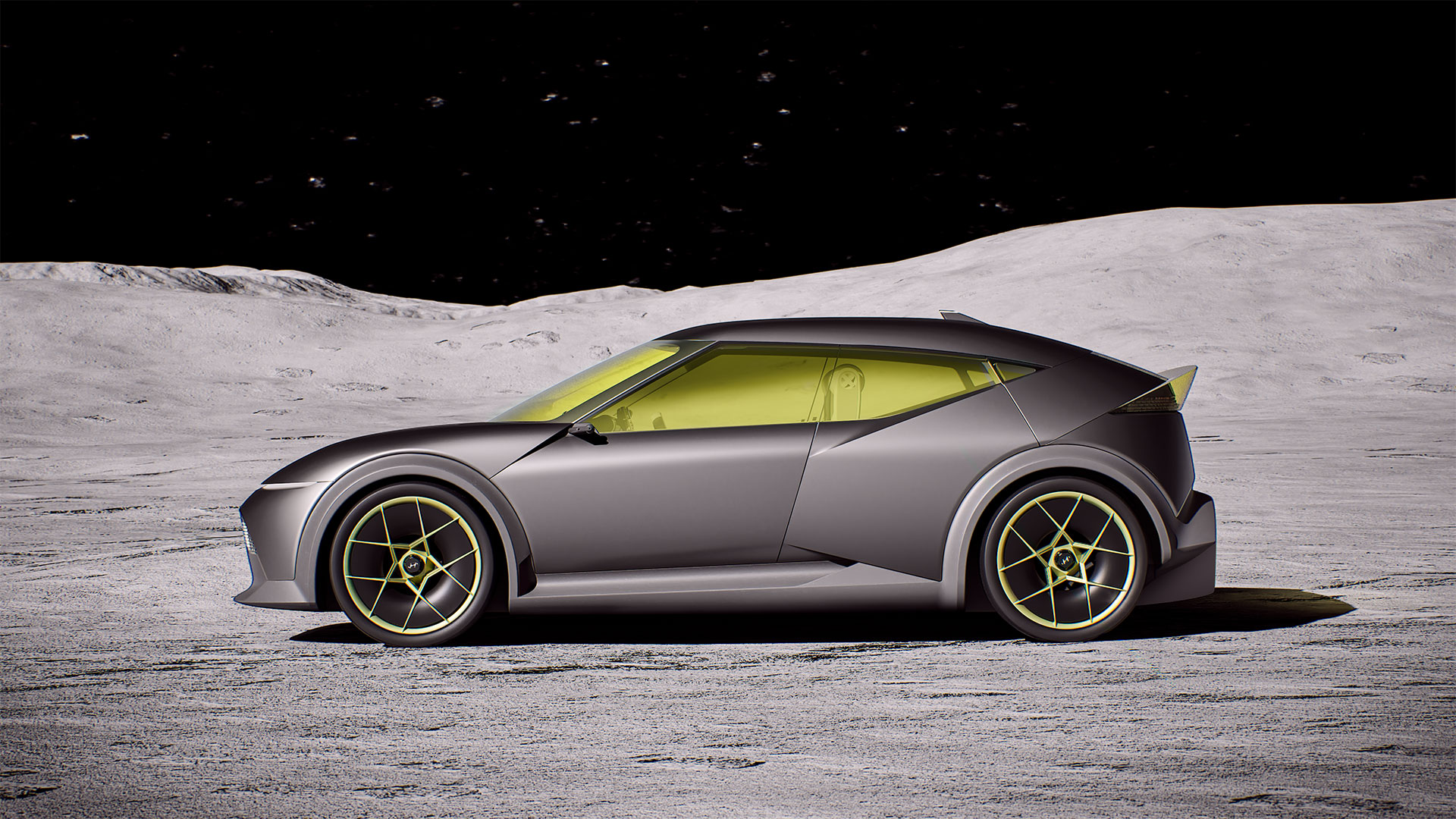
Inside, the “Furnished Space” cabin favors warm, intuitive, calming environments through soft volumes and user-focused layouts. Modular “Bring Your Own Lifestyle (BYOL)” widgets let occupants tailor the experience, while “Mr. Pix,” a symbolic character integrated throughout the car, provides playful storytelling through hidden surprises and interactive elements that aim to build emotional connection. The interior envisions the use of sustainable materials such as recycled wool and plastics, ocean waste textiles in earlier references, and lightweight aluminum foam, aligning with Hyundai Motor’s long-term goal to reduce environmental impact while delivering premium design. The result is a compact EV concept that treats material as muse, using shifting textures and tonalities to create a space that is both serene and expressive.
Hyundai’s IAA presence matches the concept’s ambition. The brand returns to Europe’s largest mobility event with a prominent Open Space installation in Munich’s city center on Ludwigstraße, anchored by a booth roughly 190 ft wide and 23 ft tall (58 meters by 7 meters) whose oversized blue-glass “pixels” echo the Parametric Pixel signature. Visitors can explore a curated design exhibition, including a sculpture inspired by Concept THREE’s exterior that celebrates steel’s beauty, strength and flexibility, and a lounge chair that reflects the concept’s seat and console composition. The “Hyundai AddGear” display invites hands-on interaction with modular in-car accessories for flexible item mounting. Beyond the concept, Hyundai will field a comprehensive electrified lineup spanning compact to three-row SUVs, and offer test drives in nine models. Advanced driver assistance remains central to the brand’s offer, with Pilot Assist adjusting speed and lane position at up to about 93 mph (150 km/h) and a sensor suite that includes vision cameras, radar and ultrasonic sensors.
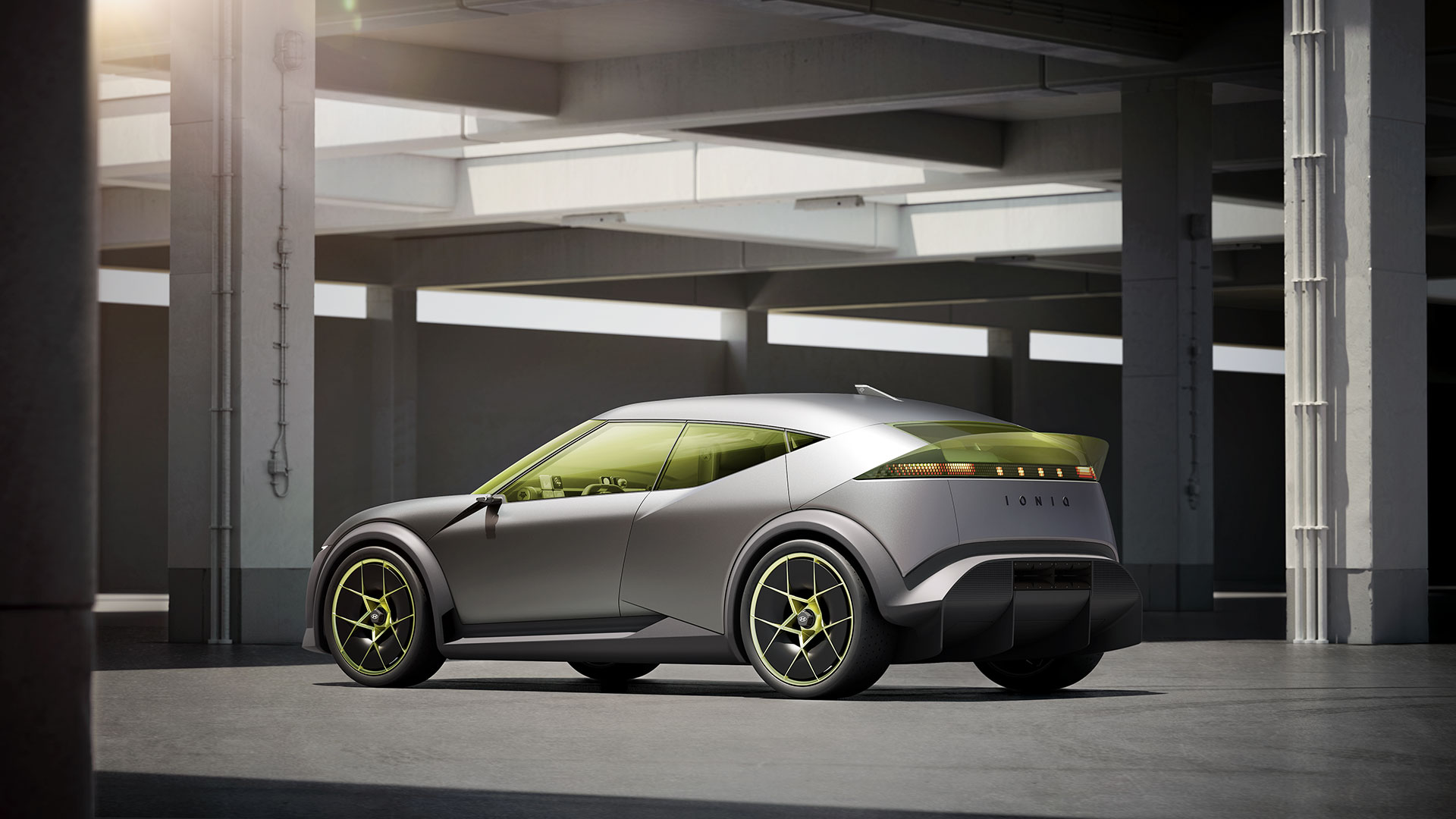
Europe sits at the center of Hyundai Motor’s electrification roadmap, driven by diverse cultures, progressive environmental policies and dense urban mobility needs. Nearly 80 percent of the vehicles Hyundai sells in Europe are locally manufactured, enabling tailored solutions for cities and rural communities alike. The roadmap includes offering an electrified version of every model in Europe by 2027 and releasing 21 global EV models by 2030, advancing hydrogen fuel cell innovations as a clean energy solution, transitioning European production facilities to renewable energy, and extending recycled and sustainable materials in vehicle design. With Concept THREE, Hyundai signals that compact EVs will play a critical role in meeting Europe’s urban challenges, using design that aims to be both practical and emotionally resonant to make electrification accessible and attractive for consumers.