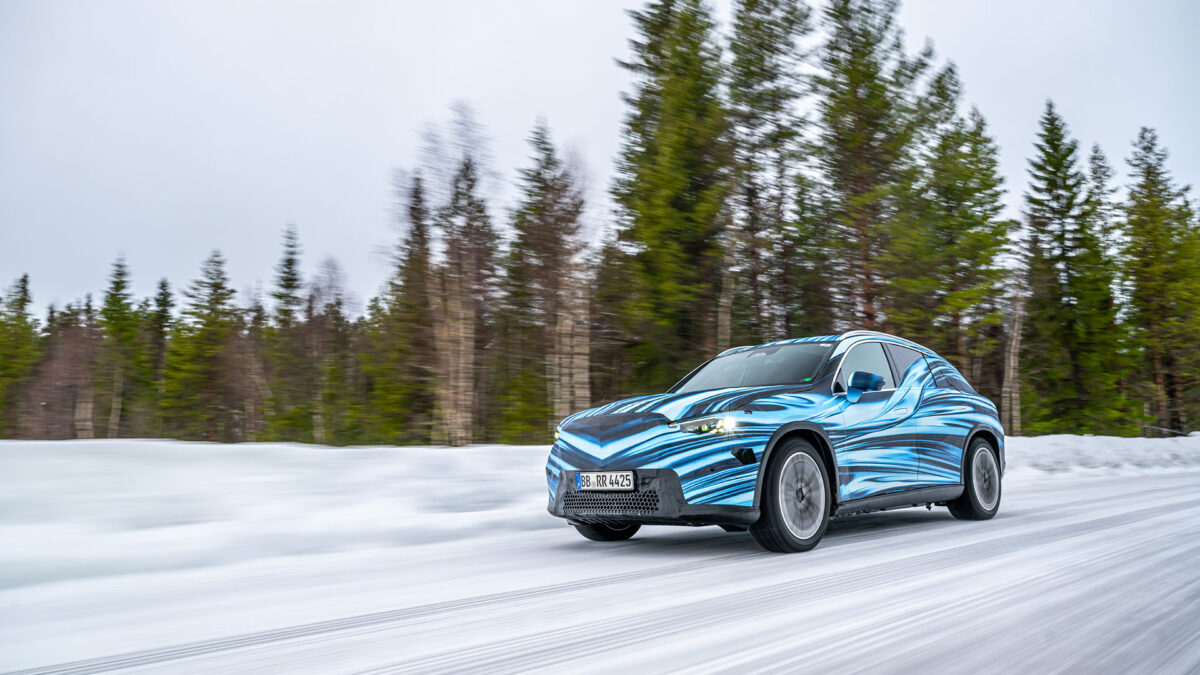
In 2024, the Mercedes-Benz GLC has been recognized as the brand’s best-selling SUV series globally. The introduction of an all-electric version of the GLC represents a significant advancement for the company. This new battery electric vehicle (BEV) is designed to cater to a diverse range of customer preferences, featuring cutting-edge technology aimed at enhancing performance, efficiency, and charging capabilities, all while retaining the versatility expected from the GLC lineup.
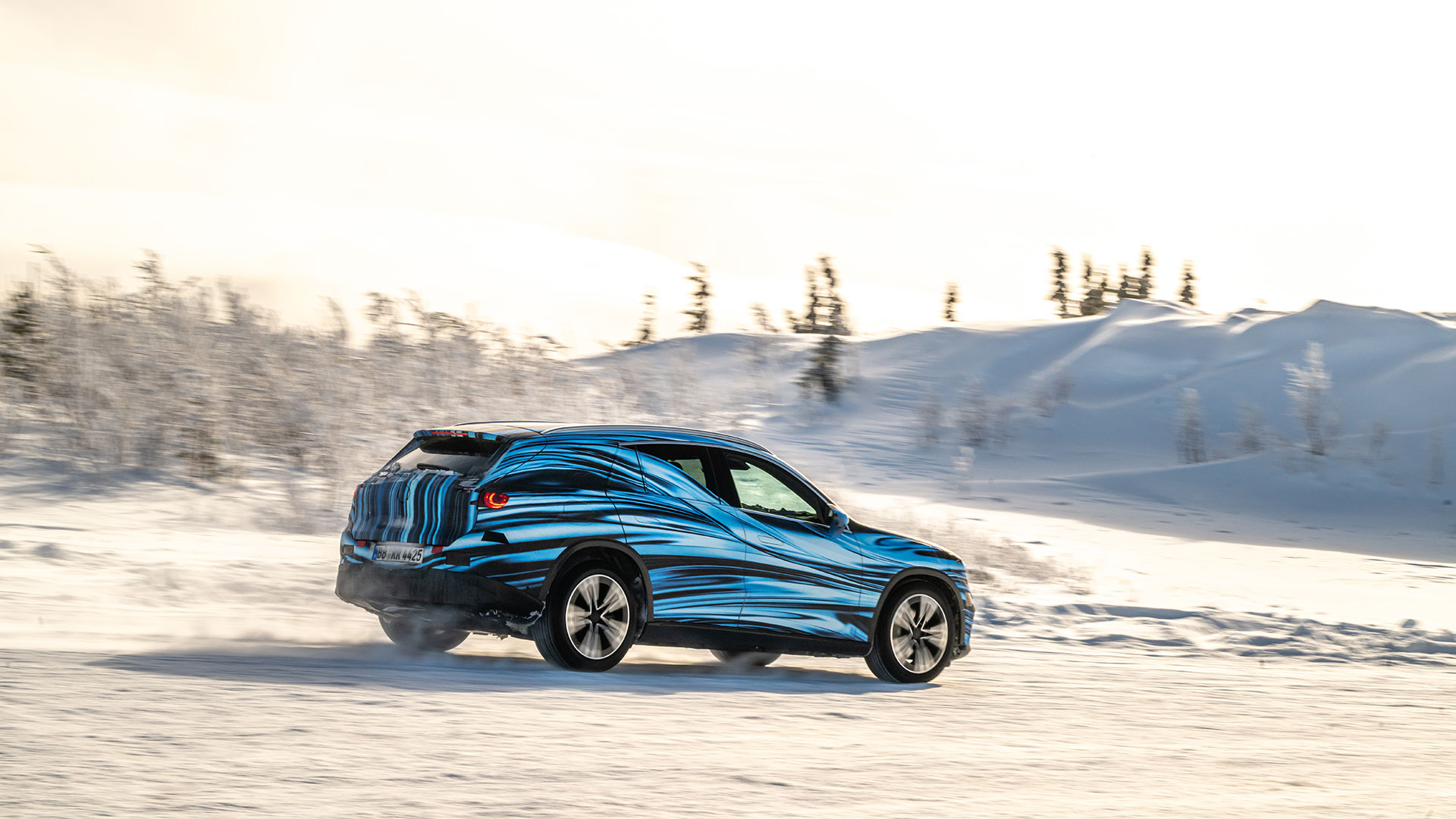
Recently, prototypes of the electric GLC underwent extensive winter testing in Sweden, where they faced severe weather conditions, including sub-zero temperatures and snowy terrains. These tests aimed to evaluate the vehicle’s performance and reliability in extreme environments. Christoph Starzynski, Vice President of Overall Vehicle Development & Integration at Mercedes-Benz Group AG, stated, “Our new electric GLC is a car without compromises – and we test it just as uncompromisingly.” The prototypes successfully demonstrated their efficiency and range, meeting the high safety and comfort standards associated with the Mercedes-Benz brand.
During testing in Arjeplog, Sweden, the GLC exhibited strong handling characteristics and traction on icy surfaces, aided by the 4MATIC all-wheel-drive system. This system allows for effective torque distribution and optimizes driving stability. The vehicle’s electric drive units are designed for high performance and energy efficiency, featuring advanced silicon carbide inverters that enhance overall energy management.
The braking system of the new GLC integrates multiple components into a compact module, ensuring consistent feedback and optimizing energy recuperation. This design contributes to the vehicle’s overall range and maintains safety standards by allowing for reliable braking performance under various conditions.
The all-electric GLC is equipped with advanced battery technology, including an 800-volt architecture that supports rapid charging capabilities. The vehicle will offer different battery options, with the top variant capable of sustaining DC charging rates exceeding 320 kW. This battery technology incorporates innovative materials to improve energy density and reduce weight, enhancing efficiency and performance.
For passenger comfort, the vehicle features an air-side heat pump that is energy efficient, utilizing waste heat and ambient air for climate control. This system allows for effective temperature management in both heating and cooling modes, ensuring a comfortable interior even during fast charging.
Mercedes-Benz has a long-standing practice of rigorous testing for new models, particularly in extreme conditions near the Arctic Circle. The company operates a testing facility in Arjeplog, where vehicles are subjected to various challenges, including icy roads and steep gradients. Each model undergoes over 500 tests, with additional evaluations for electric vehicles focusing on eDrive and charging performance.
Before any new vehicle enters production, it must meet strict development and reliability standards set by Mercedes-Benz. This comprehensive process includes digital simulations, component testing, and extensive evaluations to ensure that the vehicle consistently meets customer expectations across all operational scenarios.