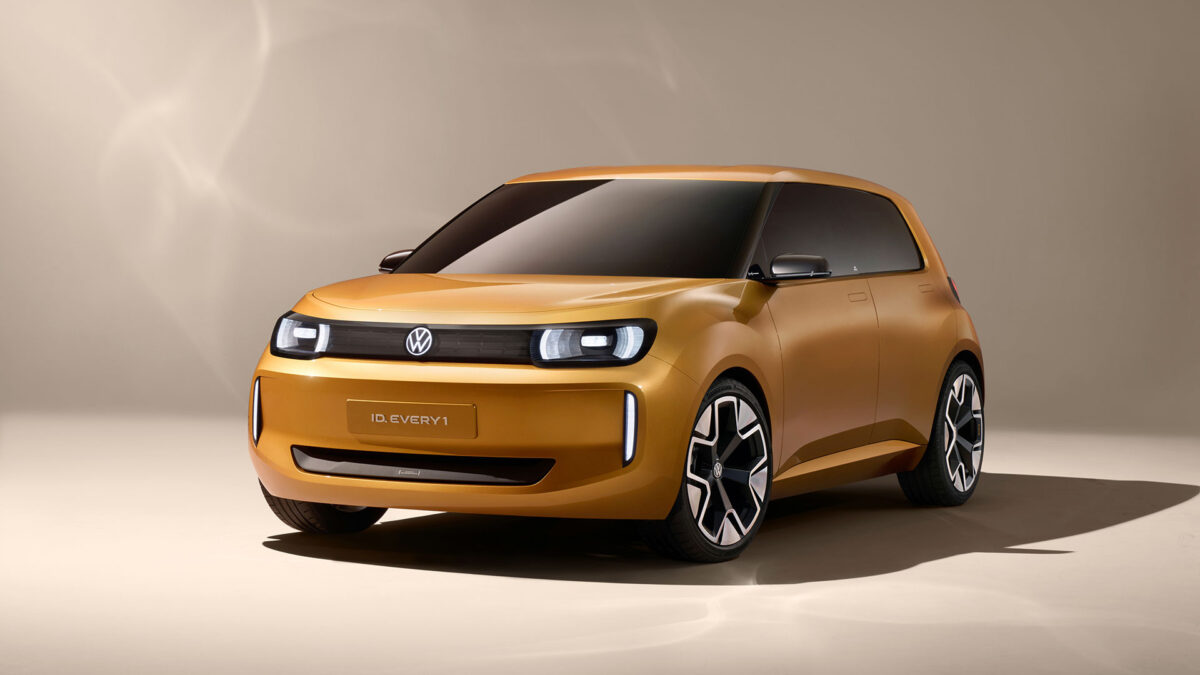
Volkswagen has announced plans to introduce an entry-level all-electric model, the ID. EVERY1 concept car, which is set to launch in production by 2027 with an estimated starting price of around 20,000 euros. This model is part of the Electric Urban Car Family, which will also include the ID. 2all, expected to enter the market in 2026 at a starting price of approximately 25,000 euros. Both vehicles will utilize Volkswagen’s new modular electric drive platform, known as MEB, featuring front-wheel drive.
The company aims to provide a diverse range of electric mobility options for European consumers, with the ID. EVERY1 representing a significant step in their strategy to offer a broad selection of vehicles in the high-volume segment. Thomas Schäfer, CEO of Volkswagen Passenger Cars, stated, “The ID. EVERY1 is the last piece of the puzzle on our journey to having the widest model selection in the volume segment.” The goal is to enhance Volkswagen’s position as a leading manufacturer in technology by 2030.
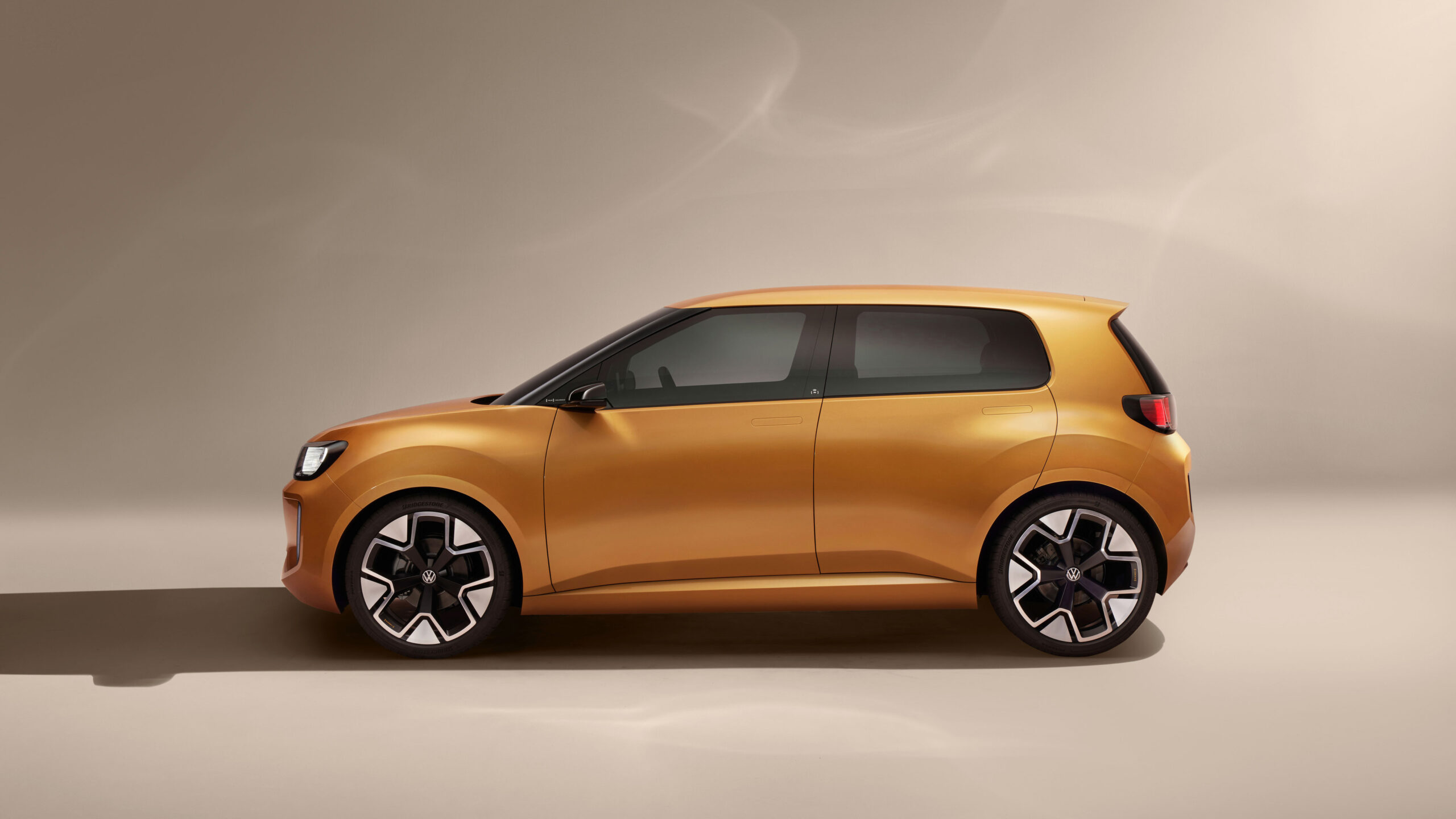
Volkswagen emphasizes a customer-centric approach in the development of future models, referred to as Customer Defined Vehicles. The ID. EVERY1 will feature a new software architecture, allowing for updates and adaptations to meet customer needs even after purchase. The design of the ID. EVERY1 incorporates elements from its predecessor, the up!, which was produced until 2023. Volkswagen’s Head of Design, Andreas Mindt, noted the intention to create a vehicle that is both bold and accessible.
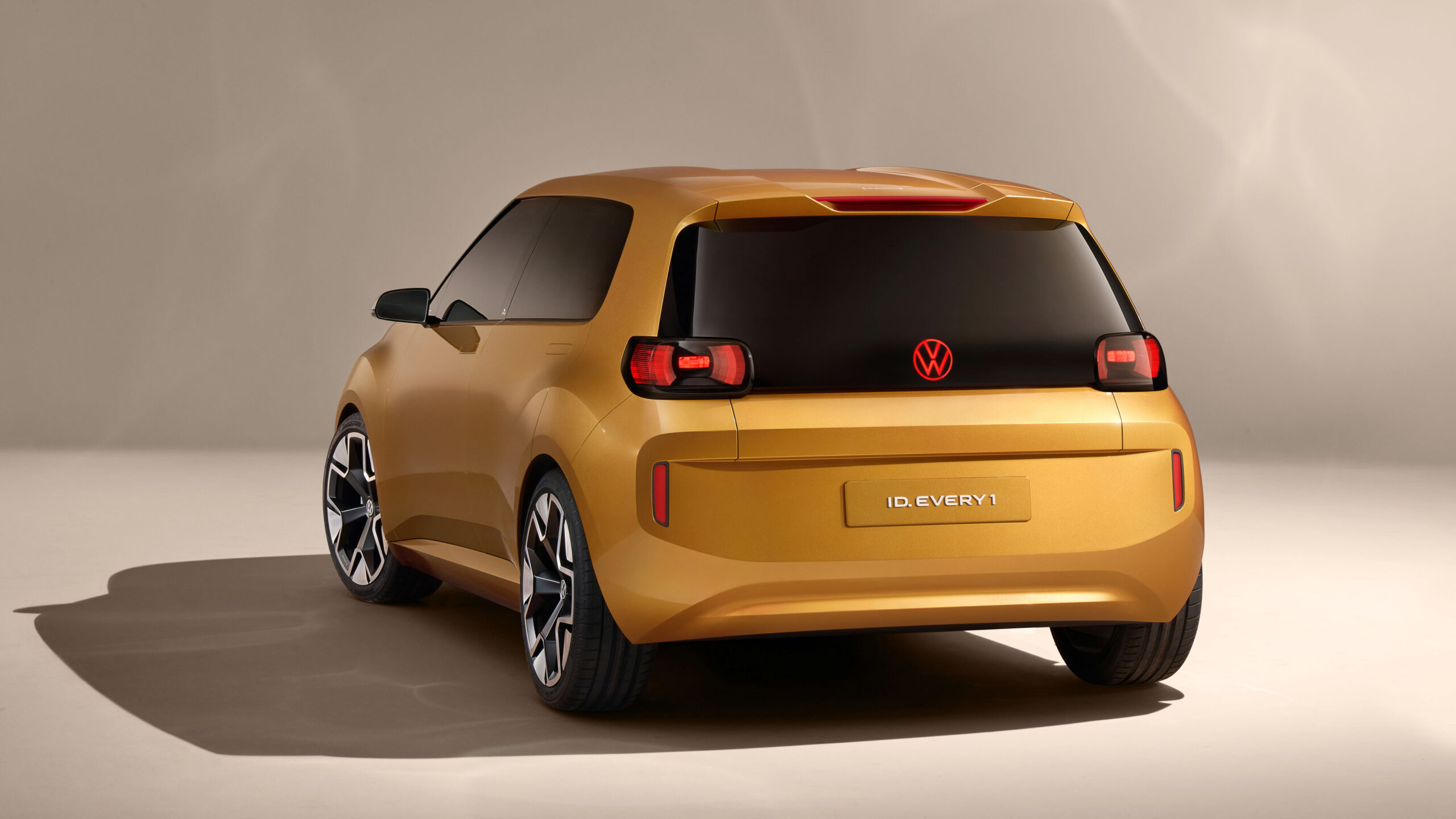
The ID. EVERY1, along with the ID. 2all and the sport version ID. GTI Concept01, is designed for optimal space utilization and efficiency thanks to the electric front-wheel drive. The concept vehicle can reach a top speed of 130 km/h and is powered by a 70 kW electric motor, offering a range of at least 250 kilometers. It measures 3,880 mm in length and accommodates four passengers with a luggage capacity of 305 liters.
Volkswagen’s broader electric model campaign is guided by the “Future Volkswagen” agreement, which aims to ensure economic stability, employment, and leadership in sustainable mobility. The strategy consists of three phases: Advance, focusing on competitiveness and model range expansion; Attack, which includes the introduction of nine new models by 2027; and Achieve, with a goal to become the leading high-volume manufacturer by 2030.